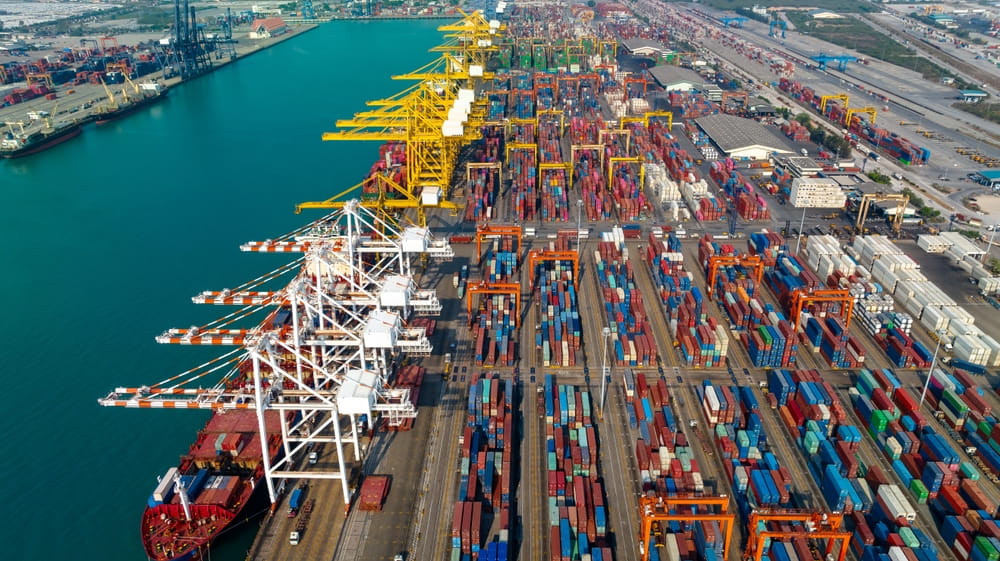
Bonded Drayage in Houston, TX

Your container cleared the vessel but not customs. It’s under CBP control and it needs to move — bonded warehouse, CES facility, another port, inland customs office. That move requires a bonded carrier. Not every trucking company qualifies.

Bravo Motor Carriers provides bonded drayage for in-bond containers moving through the Port of Houston and Houston’s intermodal network. T&E shipments, IT shipments, bonded warehouse transfers. Our trucks, our drivers, our bond. We handle the documentation chain that keeps it compliant from pickup to delivery.

Customs broker, freight forwarder, or importer — if the cargo is still under federal control, we move it.

In-Bond Drayage Solutions from Bravo Motor Carriers

Here’s what we move under bond through Houston:
Bonded Drayage Services 9

T&E (Transportation and Exportation) Shipments

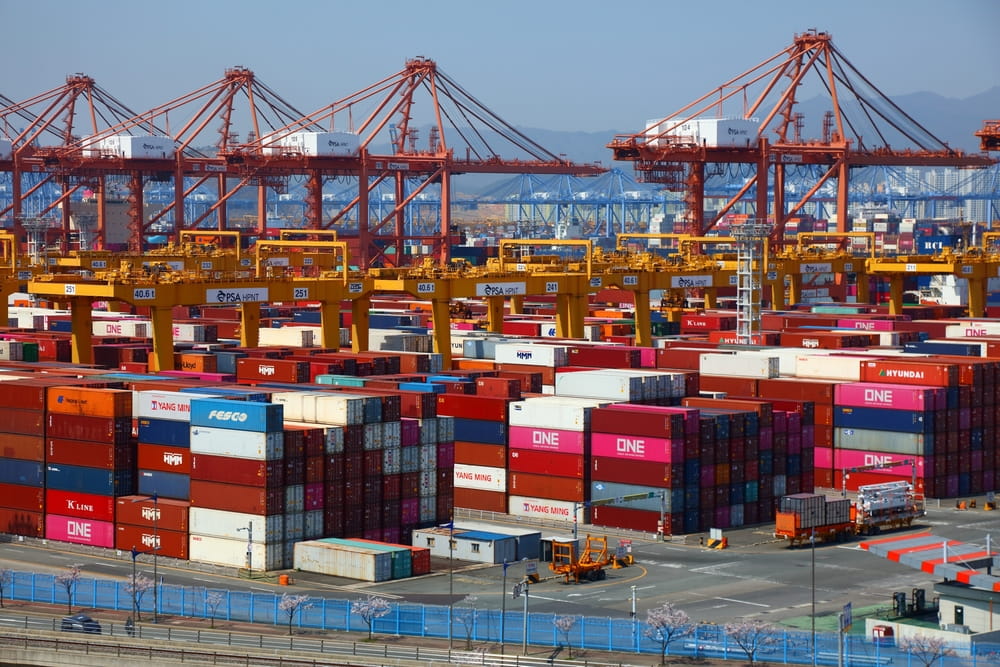
Cargo entering the U.S. at the Port of Houston that’s being transported in bond to another port for export. We handle the pickup, the sealed transit, and the documentation that keeps the shipment compliant from origin terminal to destination port.
Bonded Drayage Services 8

IT (Immediate Transportation) Shipments
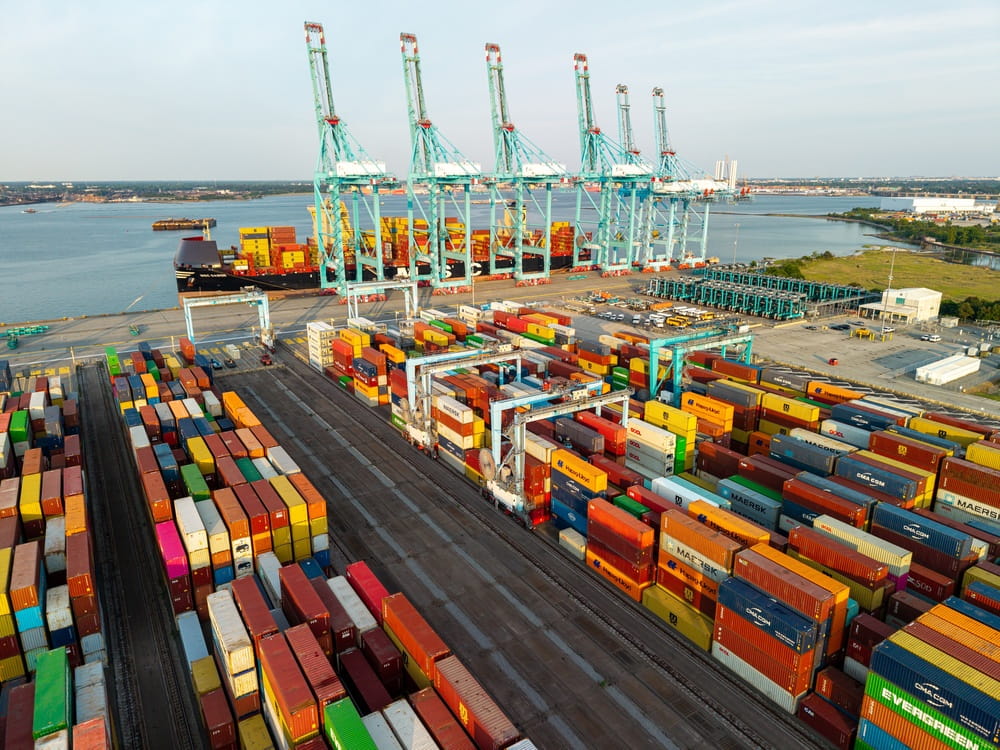
Containers moving in bond from the port of arrival to an inland port or customs office for entry and examination. The cargo stays under CBP control the entire time. We maintain the custody chain and deliver to the designated facility.
Bonded Drayage Services 6

Bonded Warehouse Transfers

In-bond cargo moving from the port terminal to a CBP-approved bonded warehouse for storage before customs clearance. We coordinate with the warehouse operator to confirm receiving authorization before dispatch.
Bonded Drayage Services 3

Container Examination Station (CES) Moves

Containers flagged by CBP for examination that need to move from the terminal to a designated CES facility. Time-sensitive moves with compliance requirements at both ends. We handle the transport and the paperwork.
Bonded Drayage Services 2

Port-to-Port In-Bond Transfers

Containers moving under bond between Port of Houston terminals or to other Gulf Coast port facilities. Same compliance requirements, different routing. We maintain bond integrity on every leg.
Rail Drayage Services image 8

In-Bond Rail Ramp Connections

Bonded containers moving between the port and Houston’s intermodal rail ramps for continued in-bond transit by rail. We handle the drayage leg and coordinate the custody transfer to the railroad.

What Is Bonded Drayage?

Bonded drayage is moving cargo that hasn’t cleared U.S. Customs. The goods are “in bond” — still under federal custody — and only a carrier with an active customs bond can legally touch them.

This isn’t a service add-on. It’s a legal requirement. When an importer hasn’t completed entry at the port, that cargo moves under bond to wherever it gets examined, stored, or processed. The carrier takes on liability under federal law.

Not every drayage company carries a bond. Not every bonded carrier understands the paperwork or the custody chain. The ones who do treat bonded freight differently from the first phone call.

Bonded Drayage Services 1
Bonded Drayage Services 2

T&E, IT, and Bonded Carrier Compliance

T&E and IT are the two most common in-bond movements, and they work differently.

T&E (Transportation and Exportation) moves cargo through the U.S. to exit at another port. The goods never enter commerce. The carrier delivers them to the exit port within CBP’s time frame or the bond is at risk.

IT (Immediate Transportation) is the other side. An importer brings a container into Houston but wants to file entry in Dallas or San Antonio instead. IT status keeps it under CBP control the whole way, and the carrier is on the hook until it hits the inland facility.

Both require airtight documentation before the truck rolls. In-bond entry number, carrier info, seal numbers, destination — CBP cross-checks all of it. A mismatch means holds, exams, or penalties that land on the carrier and the importer.

Bravo maintains an active customs bond, verifies seal integrity at pickup and delivery, and tracks every bonded move against its CBP deadline. Our ops team pulls the paperwork apart before dispatch. Your broker files the entry. We make sure it’s handled right from terminal to destination.

Why Shippers Choose Us

Bravo Motor Carriers is the container drayage company shippers turn to when freight has to move clean from port to border without handoffs.

truck icon

We own the trucks

The chassis too. No broker layer, no load board, no subcontractor showing up with someone else’s equipment. The driver who picks up your container works for us. Period.

TWIC cards Icon

TWIC cards on every driver.

Not some of them. All of them. When a load needs to move, we don’t scramble for a credentialed guy who might be available.
Bonded carrier icon

Bonded carrier

Containers under CBP control move under our bond, on our authority. T&E, IT — we carry the credentials.
Connected network Icon

Connected network

Port terminals, rail ramps, and the border corridor through Laredo, McAllen, and Brownsville all run through one carrier. Your freight doesn’t get handed off between companies to get where it’s going.
Bonded carrier icon

Daily operations.

We don’t show up when a load pops up. Our trucks are running Houston’s terminals and ramps every day. The drivers know the gates, the appointment systems, and the timing because they live in it.

Why Shippers Choose Us

You don’t have to take our word for it. Here’s what people who actually use us say:

Frequently Asked Questions About Bonded Drayage

Bonded Drayage Basics

What is bonded drayage?
Short version: it’s trucking cargo that customs hasn’t released yet. The container is still under federal control, so the carrier moving it needs an active customs bond. T&E moves, IT moves, bonded warehouse deliveries — all bonded drayage.
What does "in-bond" mean?
It means CBP still has custody of the goods. The cargo hasn’t been released into U.S. commerce, so it can only ride on a truck that carries the right bond. Think of it as freight that’s technically in the country but hasn’t been “let in” yet.
What's the difference between bonded drayage and regular drayage?
Regular drayage handles containers that already cleared customs — they’re free to move. Bonded drayage is for boxes that haven’t cleared yet. Different legal status, way more paperwork, and the carrier’s bond is backing the whole thing.
Why can't any trucking company move in-bond freight?
Because federal law says so. You need a customs bond on file to touch cargo that CBP controls. Show up at the terminal without one and they won’t hand you the container. It’s not a preference — it’s a hard stop at the gate.
Who typically needs bonded drayage services?
Mostly customs brokers and freight forwarders who file in-bond entries and need a qualified carrier to execute the move. Importers use it too, especially when their goods need to leave the port before the customs entry is finalized. If CBP still has their hands on the box, you’re calling a bonded carrier.

T&E and IT Shipments

What is a T&E shipment?
Transportation and Exportation. Basically, goods that came into Houston on a vessel but are just passing through the U.S. — they’re headed back out at a different port. The cargo never enters U.S. commerce. It transits under bond, and the carrier has a CBP deadline to get it to the exit port.
What is an IT shipment?
Immediate Transportation. The importer wants to clear customs somewhere inland — maybe Dallas, maybe another city with a CBP office — instead of at the port where the ship docked. So the container rides under bond from Houston to that inland point, and the carrier holds custody the whole way.
How long does CBP allow for in-bond transit?
CBP sets specific time frames for T&E and IT movements. Missing the deadline puts the carrier’s bond at risk and can trigger penalties. We track every bonded move against its compliance window.
What documentation is required for T&E and IT moves?
The in-bond entry number is the big one. After that — bonded carrier details, seal numbers, where the container is coming from and where it’s going, and proof of delivery at the other end. All of it has to match what CBP has in their system. If anything’s off, the shipment gets flagged.
What happens if an in-bond shipment misses its deadline?
Nothing good. The carrier’s bond is exposed, and CBP has the authority to assess penalties against both the carrier and the importer. This isn’t a “pay a late fee and move on” situation — it’s a compliance failure with real financial consequences.

Compliance and Operations

What is a customs bond?
A financial guarantee filed with CBP that ensures compliance with federal regulations. For bonded carriers, the bond covers the liability of transporting cargo that hasn’t cleared customs. If something goes wrong, the bond pays.
What happens if a seal is broken on an in-bond container?
A broken or tampered seal on in-bond freight triggers a CBP investigation. The cargo may be held, examined, or seized. We verify seal integrity at pickup and delivery to prevent this.
Does Bravo verify documentation before pickup?
Yes. Our operations team confirms in-bond entry numbers, seal information, and destination authorization before dispatch. We don’t leave compliance verification to the driver at the gate.
Is Bravo registered with CBP as a bonded carrier?
We maintain an active customs bond and meet CBP requirements for transporting in-bond cargo. Our bond, operating authority, and compliance records are current.
What's a Container Examination Station?
A CBP-designated facility where flagged containers are moved for physical examination. Getting a container from the terminal to a CES is a bonded drayage move with its own documentation and timing requirements.

Coverage and Pricing

Where does Bravo move bonded freight?
From both Port of Houston terminals to bonded warehouses, CES facilities, inland customs offices, rail ramps, and other authorized destinations across the Houston metro and beyond.
How does bonded drayage pricing work?
Based on terminal, container size, destination, and movement type. T&E, IT, and bonded warehouse moves each have different requirements that affect pricing. We quote per-move or on contract.
Can Bravo connect bonded drayage to rail or port moves?

In-bond containers connect to our port drayage operations at Bayport and Barbours Cut and to our rail drayage at BNSF and UP ramps. One bonded carrier across the full network.

Does Bravo handle bonded freight at both Houston terminals?
Both of them, every day. Bayport and Barbours Cut. We’re registered and credentialed at both facilities, and our drivers all carry active TWIC cards — so we don’t have to scramble for a qualified driver when an in-bond pickup comes in.
Does Bravo offer contract rates for regular bonded volume?
Absolutely. If you’re a customs broker or forwarder running in-bond moves through Houston on a regular basis, we’ll set up dedicated scheduling and lock in pricing. Call ops and we’ll put something together based on your volume.

Contact Bravo Motor Carriers

Ready to contact drayage carrier Bravo? Here’s what we need from you: container size, pickup terminal or ramp, delivery address, and any special handling. That’s it. We’ll come back with a rate.

(281) 768-8843
9009 North Loop East, Suite #200 Houston, TX 77029